

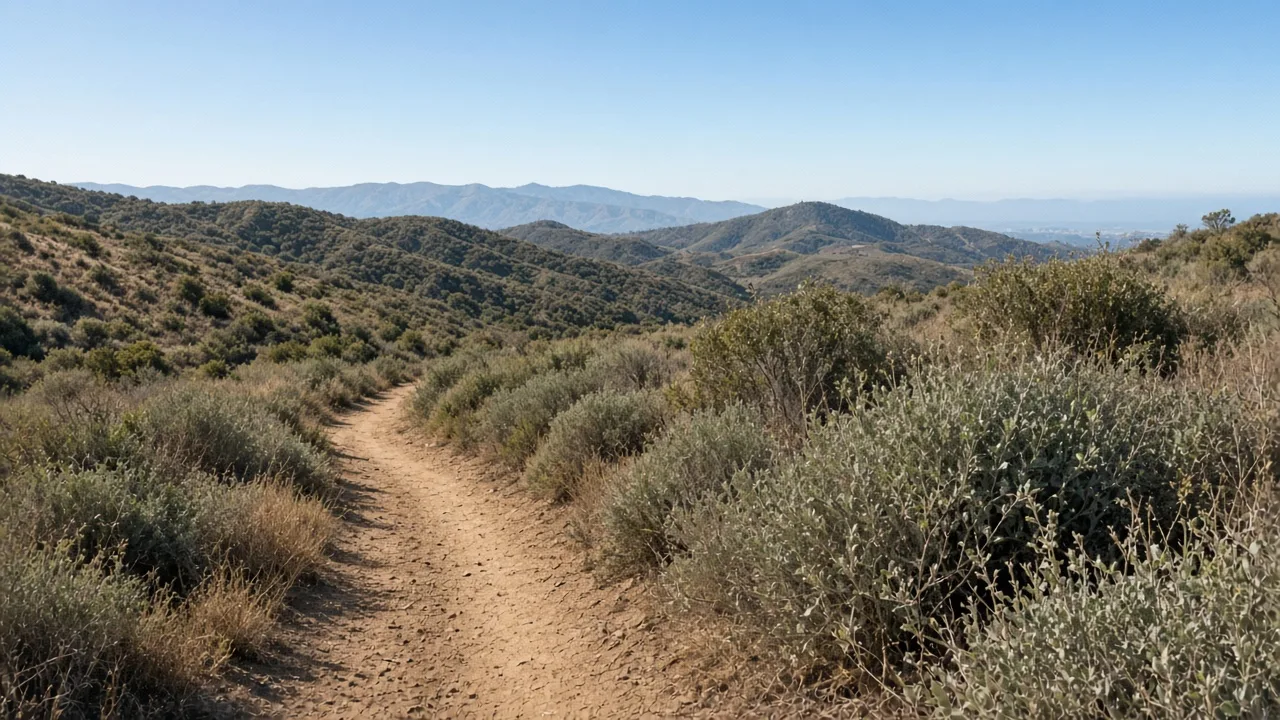

Mission Trails Regional Park gives San Diego an expansive open-space escape without a long drive to the mountains. The tradeoff is choice overload: many trailheads, many distances and many ways to turn a simple outing into an accidental summit march. Locals who enjoy the park regularly usually pick one easy objective and protect it.
Open-space days pair well with city routines when you keep them short. If you want a lower-intensity outdoor habit closer to downtown water, compare the pacing in our Embarcadero morning walk guide and choose the setting that matches your energy.
Choose the Day by Temperature and Timing
Inland trails heat up differently than the coast. Morning starts are kinder for most of the year, especially in warmer months. Check the forecast for the park area specifically rather than trusting a beach temperature. Carry more water than you think you need, even on routes that look short on a map.
After rain, trails can be muddy and creeks higher. After dry wind events, dust and fire-safety awareness matter. Official park notices and weather alerts should shape the plan more than habit.
Pick One Trailhead and One Distance
Decide your miles before you lace up. An easy day might be an out-and-back of a few miles, a visitor-center-area walk or a modest loop with plenty of pause points. Save bigger climbs for a day when that is the whole point. Ambiguity at the trailhead is how easy days become exhausted afternoons.
- Screenshot or download your route if cell service may be uneven.
- Tell someone your trailhead and return window.
- Wear sun protection; shade can be limited on exposed stretches.
- Pack snacks, water and a basic blister kit.
Trail Etiquette That Keeps Things Smooth
Yield appropriately, keep dogs leashed where required and step aside on narrower sections when groups need to pass. Headphones at a volume that lets you hear bikes or other hikers is a courtesy. Stay on marked trails to protect habitat and avoid brush that hides uneven ground.
Mission Trails is popular with first-time visitors and regulars alike. A friendly pace and clear communication on the trail prevent most friction. If you are new to the park, start with a well-traveled route rather than a remote connector.
What to Skip on an Easy Day
Skip stacking multiple unrelated trailheads. Skip hiking through the hottest afternoon window if temperatures are high. Skip brand-new shoes on a longer dirt route. Skip the urge to chase every viewpoint "since you are already here." Easy days stay easy because of what you refuse.
A Simple Template
Arrive in the morning, complete one planned route, take a short cool-down break and leave while you still feel good. Celebrate that restraint. The park will still be there for a harder day later. If anyone in your group is new to hiking, choose the shorter option and treat ice cream or a casual lunch afterward as part of the reward.
Safety Notes Worth Repeating
Know the signs of heat exhaustion, turn around if water is running low and respect closure notices. Rattlesnakes and uneven terrain are part of Southern California open space; watch where you step and where you put your hands. If you are hiking alone, stick to busier hours and routes.
Mission Trails is one of San Diego's best everyday outdoor assets when you use it with a narrow plan. Choose a distance, start early and let an easy day actually be easy.
Reading the Land Without a Hard Climb
Even on an easy route, Mission Trails offers coastal sage scrub, rock outcrops and wide views that remind you how large the county's open space network is. Slow down enough to notice plant communities and bird activity rather than treating the dirt path as a treadmill. An easy day can still feel memorable when attention replaces mileage.
If you like learning as you walk, visit interpretive materials near visitor facilities when they are open, then take that context onto the trail. You do not need a long summit to feel oriented in the landscape.
Groups, Kids and Mixed Fitness
Agree on a turnaround time before you start. Mixed-fitness groups fracture when the strongest hikers keep "just another hill" alive as a moving target. Use out-and-back routes so anyone can reverse early without stranding the group on a one-way loop. Pack extra water for the slowest person, not the fastest.
For kids, short success beats epic struggle. Celebrate reaching a named landmark or a scenic bend, then decide whether to continue. Bribing with a later treat works better when the hike itself has not already used up everyone's goodwill.
After the Hike
Stretch, change damp socks and rehydrate before the drive home. If anyone feels off from heat or exertion, cool down and delay further plans. An easy park day should end with enough energy for the rest of ordinary life, not a recovery weekend.
